
Global ship tracking, in real time.
Vessel positions delivered the moment our network receives them.
Live vessel positions
100,000+
Vessels tracked / day
49M+
AIS positions / day
40+
Countries covered
<5s
Antenna to your API
Supported by, and building with




Ship tracking data, however you need it.
Built on physical infrastructure we own and operate. Evaluate a sample of your own waters, then scale to a live global feed.
Live AIS stream
Every position our network receives, delivered in real time. Vessel identity, position, course, speed and navigational status, under five seconds old.
Explore live dataRegional feeds
Dense coverage of the waters within your remit, including the Danish straits, the Baltic approaches and the North Sea, without procuring coverage you will not use.
Explore coverageAPI & integrations
REST, WebSocket, raw NMEA over TCP, and SAPIENT compliant output for counter-UAS and sensor fusion. Repoint your existing AIS ingest at a new endpoint and the feed runs.
Explore the API
Sectors we serve.
Defence and coastguard authorities, traders, underwriters, port operators and software teams, all running on our vessel data.



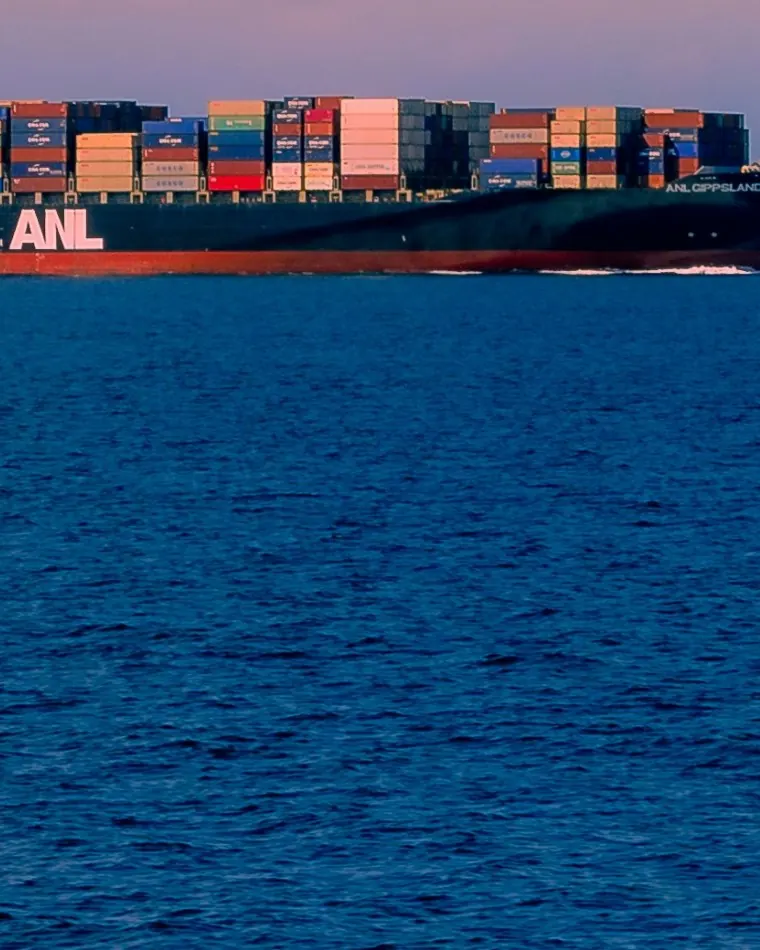






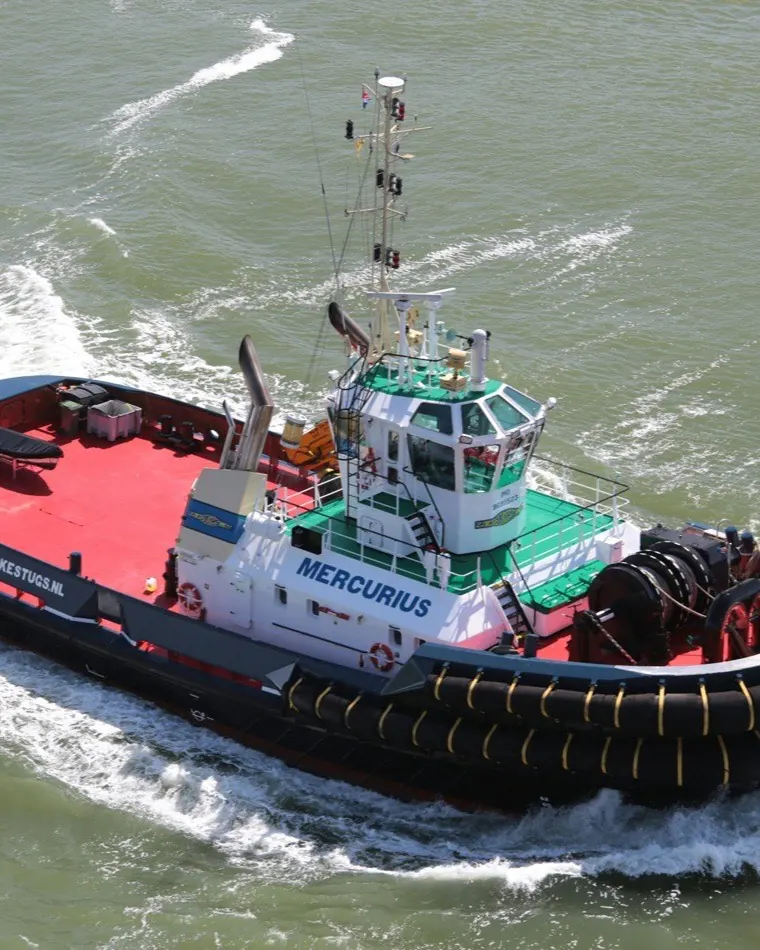

Track with confidence,
through uncertainty.
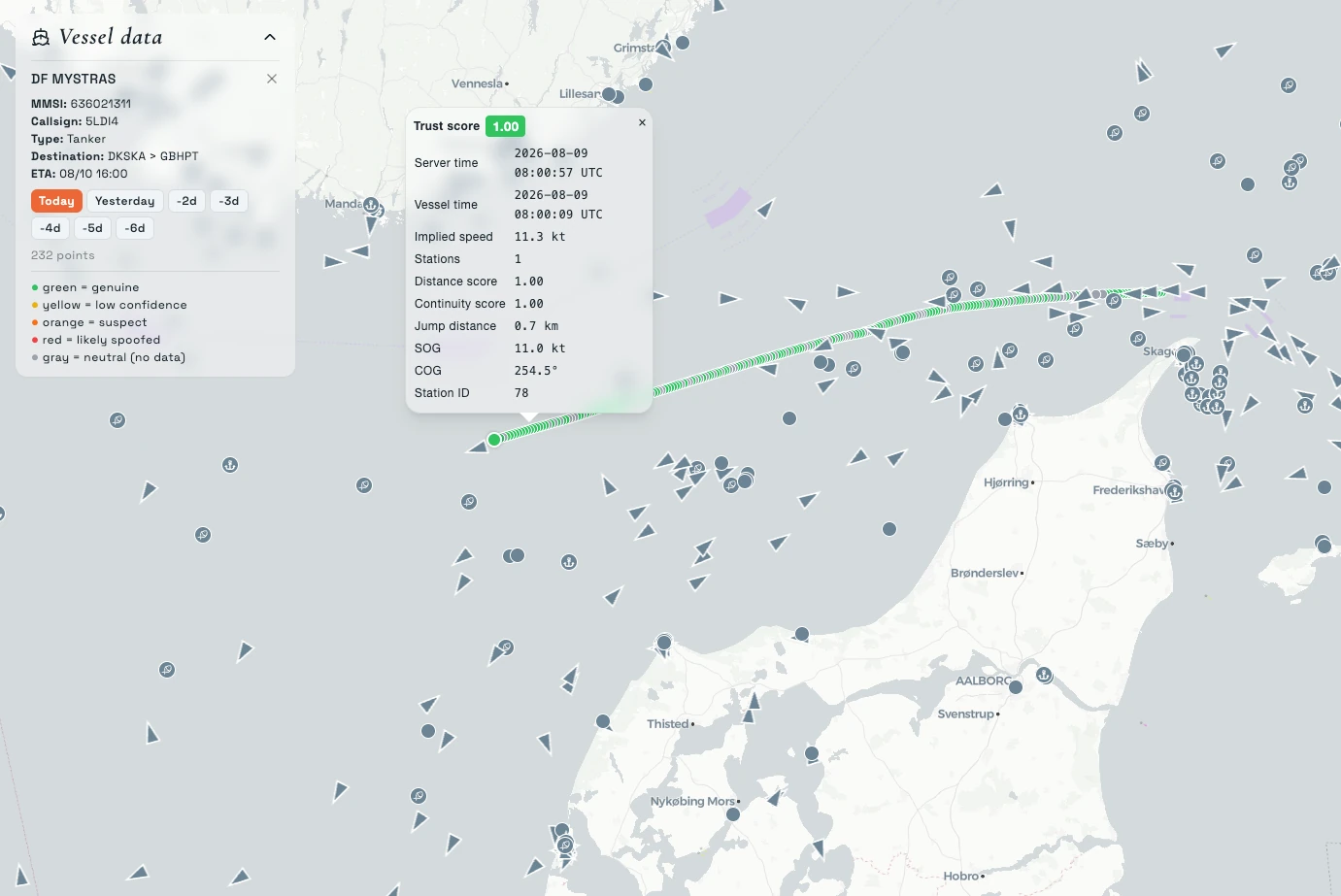
Every station runs the same dedicated, standardised hardware, encrypting each message at the point of capture.
Monitor
Vessels stay in view
100,000+ vessels a day across 40+ countries, updated in near real time and extending offshore.
Verify
Every position carries its origin
Validity checks and anomaly detection run on the hardware itself, in real time. Each message is encrypted on the device and carries the provenance needed to reconstruct the record later.
Act
The feed fits your existing systems
The feed integrates with the systems you already operate. Each message carries more than a position, including receiver level metadata and the full record behind it.
Built for developers.
This is not a platform migration. The feed runs alongside your existing stack and carries the positions that must hold up.
Raw NMEA over TCP
The unmodified sentence stream, for systems that already speak AIS natively.
REST API
Parsed positions, with the originating receiver on every record.
WebSocket stream
Live push for operations rooms and monitoring systems that cannot poll.
SAPIENT
SAPIENT compliant output to the BSI Flex 335 interface, so the feed drops into counter-UAS and sensor fusion architectures as a sensor node.
{
  "mmsi": "219018345",
  "received_at": "2026-08-09T11:42:07.318Z",
  "position": { "lat": 55.6900, "lon": 12.6700 },
  "sog_knots": 12.4,
  "cog_degrees": 214.8,
  "nav_status": "under_way_using_engine",
  "provenance": {
    "receiver": "RX-DK-84A2",
    "encrypted_at_reception": true,
    "anchor": {
      "batch": "b-20260809-1142-0071",
      "record": "0x8f3a…c41",
      "status": "anchored"
    },
    "verified": true
  }
}
Insights on AIS and maritime data.
What the data shows, and what it means for the people who depend on it.
AIS data questions, answered.
Can AIS positions be spoofed or falsified?
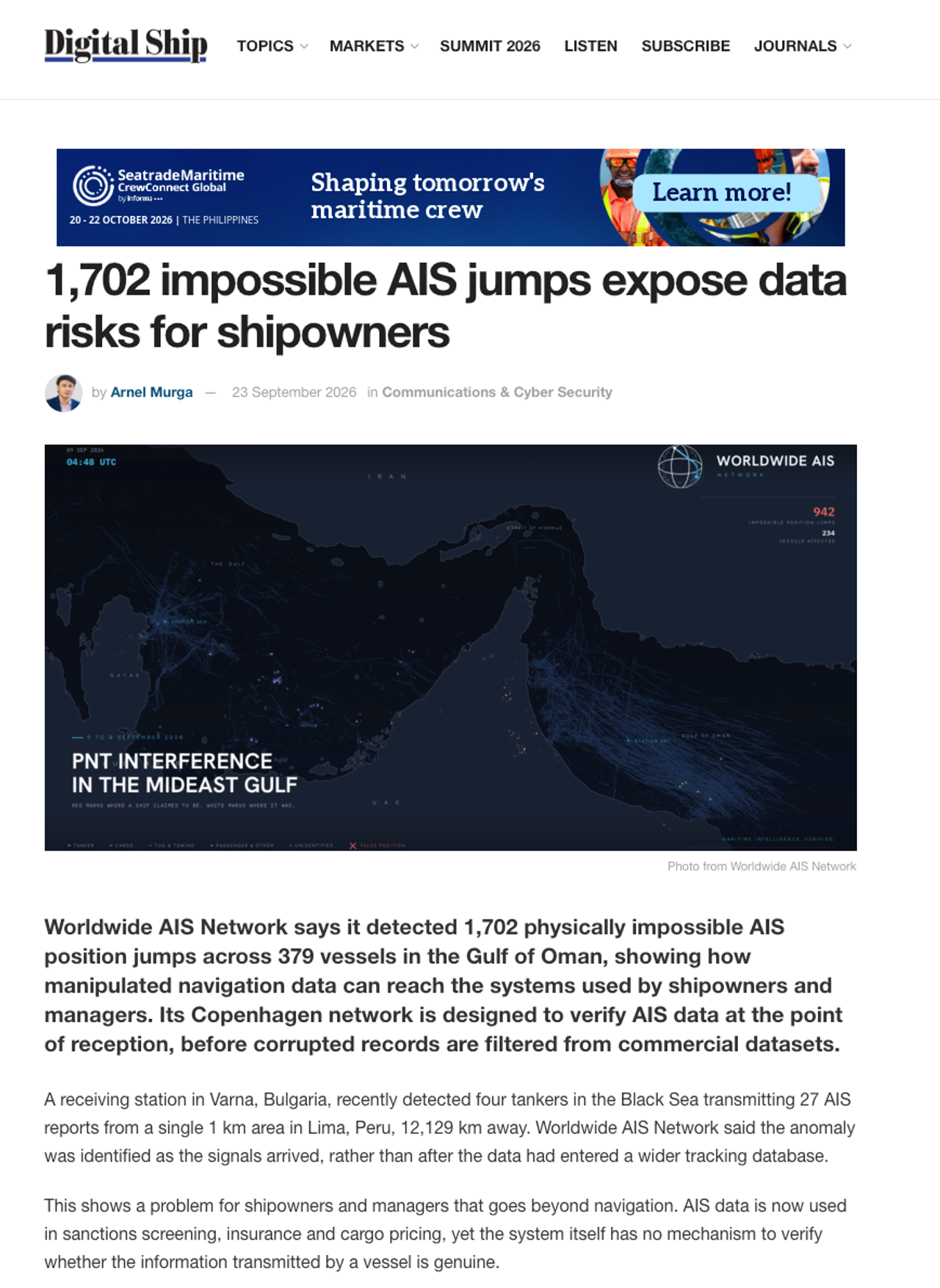
Yes. AIS carries no authentication, so any transmitter can broadcast any identity at any position and the protocol cannot distinguish between them. Every position we deliver passes through validity checks and anomaly detection at the hardware itself, so suspect positions are flagged on arrival rather than discovered on review.
What is the difference between terrestrial AIS and satellite AIS?
Terrestrial AIS is received by shore-based stations and delivers high update rates close to the coast and in congested waters. Satellite AIS reaches open ocean where no shore station can, at longer intervals between positions. Our own network is terrestrial and ship-borne, supplemented by satellite feeds for open ocean, so coverage does not degrade as a vessel moves offshore.
Who are the independent AIS data providers?
Fewer than most buyers assume. Consolidation between 2023 and 2025 placed several of the best known tracking brands under a single owner, so a second feed can mean procuring the same positions twice under a different invoice. We are independently owned and operate our own physical receiver network, which is what makes a second source genuinely independent.
Can I get raw AIS data without buying a platform?
Yes. The feed is supplied on its own, as raw NMEA over TCP, a REST API, a WebSocket stream, or SAPIENT compliant output, delivered into the systems you already operate. Where customers would rather not build on top of it, we also develop dashboards and applications around the feed.
Can I resell or embed AIS data in my own product?
Redistribution and embedding are governed by a separate written licence rather than the standard feed terms, so scope, territory and end-user rights are agreed in advance. Tell us what you are building and who the end users are, and we will scope the licence.
How accurate is AIS data?
Position accuracy originates with the vessel’s own GNSS receiver, so any AIS feed is only as good as what the ship transmits. Feeds differ at the point of reception. Every station in our network runs the same dedicated hardware, so validity checks begin on the device rather than downstream in a processing pipeline. Each message is time-stamped, encrypted at capture, and attributed to the receiver that recorded it.
Request a verified data sample.
Tell us which waters matter to you and we will send real tracking data from that area, so you can assess the coverage before any commercial discussion.
- Real vessel positions from your waters, not a generic extract
- Full provenance on every position supplied
- Evaluation requires no integration work