Unlocking the Future of Global Logistics: Real-Time Vessel Tracking Supply Chain Visibility
- Team WAKE

- Feb 15
- 3 min read

In today’s global economy, supply chain performance defines competitive advantage. Yet for many organizations, maritime logistics remains a persistent blind spot. Containers move across oceans with limited transparency, updates arrive too late to act on, and estimated times of arrival (ETAs) shift without warning.
Real-time vessel tracking is changing that.
Powered by advanced Automatic Identification System (AIS) data, modern tracking solutions provide continuous, accurate insight into vessel movements worldwide. The result: stronger supply chain visibility, faster decision-making, and measurable cost savings.
The Hidden Costs of Limited Maritime Visibility
Traditional supply chain tracking methods rely heavily on static updates and manual communications. While functional, this approach introduces risk at every stage of the journey.
1. Delayed Information
Shipping updates are often periodic rather than continuous. By the time stakeholders are informed of a delay, mitigation options are limited.
2. Manual Processes and Human Error
Email chains, spreadsheets, and phone calls slow operations and increase the likelihood of mistakes. In complex supply networks, small errors compound quickly.
3. Limited Predictability
Weather disruptions, port congestion, mechanical failures, and route deviations can derail schedules with little warning when real-time data is unavailable.
The Financial Impact
A lack of real-time maritime visibility can lead to:
Increased demurrage and detention fees
Missed delivery windows
Higher safety stock and inventory holding costs
Production downtime
Reduced customer satisfaction
In competitive markets, these inefficiencies directly impact margins, service levels, and brand reputation.
How Real-Time Vessel Tracking Improves Supply Chain Performance
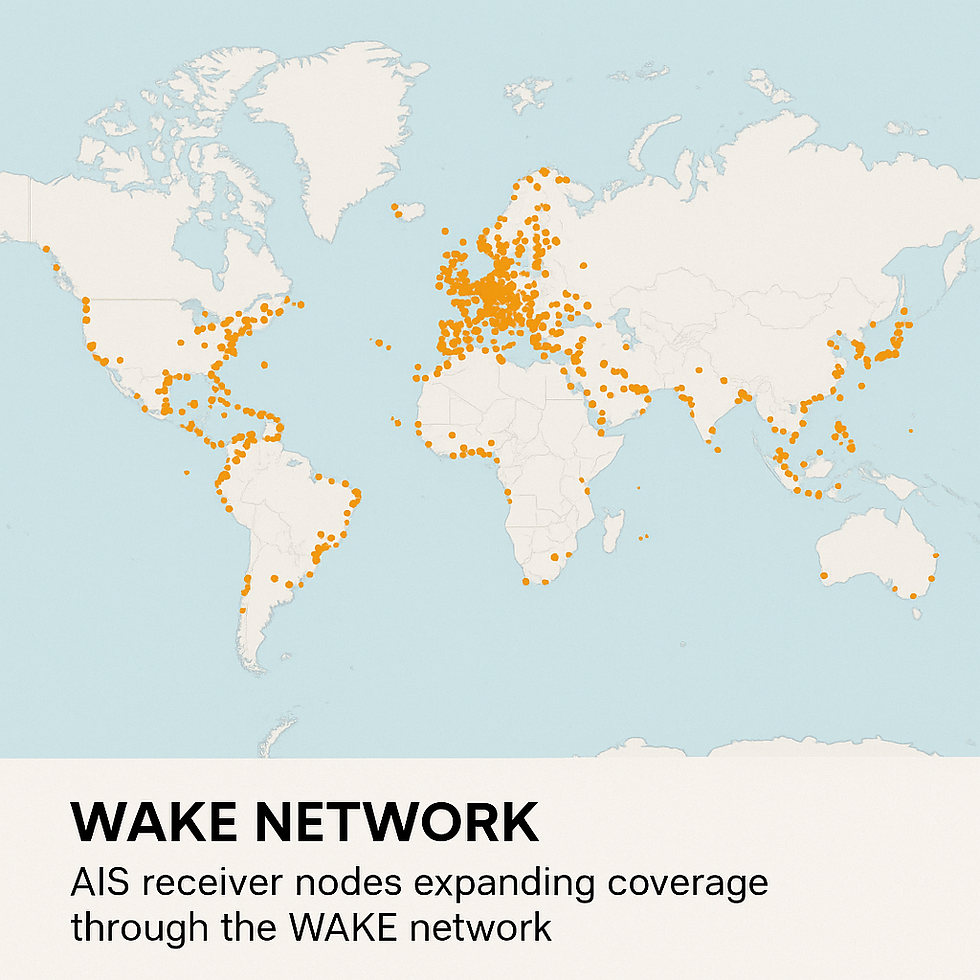
Real-time vessel tracking solutions use a global network of terrestrial and satellite AIS receivers to monitor vessel position, speed, heading, and voyage data continuously.
This live data stream transforms supply chain management from reactive to proactive.
Precision Shipment Monitoring
Know exactly where your cargo is—from departure to final port arrival—with continuously updated positional data.
Proactive Delay Management
Receive alerts for route deviations, unexpected stops, speed changes, or updated ETAs. Early detection allows teams to adjust transport planning, warehousing, and customer communication before disruptions escalate.
Smarter Inventory Planning
Accurate inbound visibility enables better forecasting and reduces the need for excess safety stock, lowering working capital requirements.
Enhanced Customer Communication
Provide clients with real-time shipment updates backed by verified data, strengthening trust and service reliability.
Operational Optimization
Improve berth planning, streamline port coordination, and allocate resources more efficiently using accurate arrival projections.
By integrating real-time AIS vessel tracking into logistics platforms and transportation management systems (TMS), businesses gain a dynamic, end-to-end view of maritime operations.
Why High-Quality AIS Data Matters
Not all AIS data is equal. Inaccurate, delayed, or unverified data can create new risks rather than solve existing ones.
Worldwideais.org delivers high-quality, validated AIS data designed specifically for enterprise-grade supply chain visibility.
Global Maritime Coverage
Comprehensive tracking across major trade routes, regional corridors, and remote ocean zones.
Low-Latency Data Delivery
Near real-time updates ensure decision-makers always operate with the most current information available.
Verified and Cleaned Data
Robust validation processes eliminate inconsistencies and improve reliability for analytics and automation.
Seamless API Integration
Developer-friendly APIs allow smooth integration into existing supply chain management systems, logistics dashboards, and analytics platforms.
For logistics providers, freight forwarders, importers, exporters, and supply chain technology companies, reliable AIS data is the foundation of operational excellence.
Real-Time Vessel Tracking for Supply Chain Visibility as a Strategic Advantage
In modern global trade, supply chain visibility is no longer optional—it is strategic infrastructure.
Organizations that implement real-time vessel tracking benefit from:
Lower operational costs
Reduced disruption risk
Improved delivery performance
Greater agility during market volatility
Stronger customer relationships
As supply chains grow more complex, the ability to see, anticipate, and act in real time becomes a defining differentiator.
The Future of Maritime Supply Chain Visibility
The future of logistics belongs to data-driven organizations. Real-time AIS vessel tracking empowers businesses to move beyond estimates and operate with precision.
By leveraging verified maritime data, companies can build resilient, transparent, and high-performing supply chains capable of navigating the uncertainties of global commerce.
Ready to enhance your supply chain visibility with real-time vessel tracking?
Contact us today to learn how advanced AIS data can transform your maritime logistics strategy.


Comments